
Trademark Lawyers in Phoenix, Arizona
Phoenix trademark lawyers — from brand clearance to enforcement
Schedule a Consultation20+
Years of Practice
150+
Combined Years
10
Attorneys
5
States Licensed
Already received a cease-and-desist?
Trademark disputes have hard deadlines. Call us today and a Venjuris attorney will review the demand letter and walk you through your response options.
Venjuris is a Phoenix, Arizona trademark law firm helping businesses across the United States protect the names, logos, and slogans that carry their brand. We handle clearance searches, federal and state registration, opposition and cancellation proceedings, and enforcement against infringers — including urgent responses to cease-and-desist letters.
Trademark strength varies — descriptiveness relative to goods and services affects protectability. Attorney guidance helps assess the strength of a mark before investing in building a new brand identity.
Deciding whether to register names, slogans, logos, or combinations requires situational analysis and competitive review. Classification of goods and services cannot be changed after filing; errors require restarting the process, costing time and additional fees.
The Trademark Office frequently objects to marks deemed too descriptive or too similar to existing marks, requiring a carefully researched legal brief in response.
Our Services
- Trademark clearance searches
- Federal and state registration
- Trademark monitoring and enforcement
- Opposition and cancellation proceedings
- Trade dress protection
- Brand strategy consulting
- Trademark portfolio management
Meet the Attorneys
Trademark Lawyers at Venjuris
Each Venjuris attorney working on trademarks matters carries bar admissions in Arizona and the technical or trial background to handle the work.
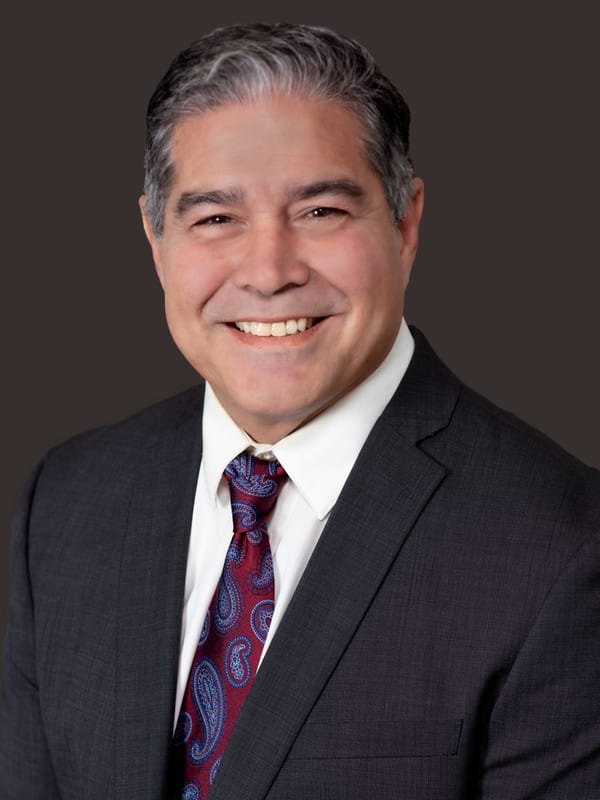
Michael F. Campillo
Partner
Patents · Trademarks · Litigation

Dr. A. David Logan
Partner
Patents · Litigation · International IP

Joseph R. Meaney
Partner
Patents · Trademarks · Copyrights

John C. Mascari
Partner
Litigation · Internet Law · Contracts

Wendy K. Akbar
Partner
Litigation · Patents · Trademarks

Richard E. Oney
Partner
Patents · Trademarks · Litigation

Carey Brandt Anthony
Of Counsel
Patents · International IP

Ruth B. Carter
Of Counsel
Litigation · Internet Law
Frequently Asked Questions
Trademarks questions, answered
- Do I need a lawyer to register a trademark?
- Foreign-domiciled applicants are required by USPTO rule to use a U.S.-licensed attorney. U.S. applicants are not required to, but the application is a legal filing with binding consequences — selecting the wrong international class or filing-basis statement, accepting a likelihood-of-confusion refusal, or missing a deadline can permanently weaken the registration. The USPTO's own application data shows attorney-prepared filings register at materially higher rates than self-filed ones.
- How long does federal trademark registration take?
- From filing to registration on the Principal Register, expect roughly 12–18 months for a smooth use-based application. The USPTO typically issues a first office action 6–9 months after filing. If the examiner refuses (likelihood of confusion or descriptiveness are the most common refusals), our response can add several months. Intent-to-use applications take longer because registration is held until you submit proof that the mark is in commercial use.
- What is the difference between TM, ℠, and ®?
- ™ and ℠ are unregistered-rights notices anyone can use to claim common-law trademark or service mark rights without USPTO involvement. ® is reserved for marks that have a federal registration on the Principal Register; using it on an unregistered mark is improper and can be raised against you in litigation. Federal registration unlocks nationwide priority, the right to use ®, statutory damages and attorney's fees against counterfeiters, and customs recordation to block infringing imports.
- What should I do if someone is using my trademark?
- Document the use (screenshots with dates, archived pages, sample products), preserve evidence of your own first-use date, and call a trademark attorney before contacting the other party. A poorly drafted cease-and-desist letter can expose you to a declaratory-judgment suit in an unfavorable forum. Venjuris evaluates the strength of your claim, the similarity of the marks and goods, and the likelihood of confusion — then drafts a response calibrated to the situation, from a polite phase-out request to UDRP, opposition, cancellation, or federal court.
- What if the USPTO refuses my trademark?
- Most refusals are not the end. Likelihood-of-confusion (Section 2(d)) and descriptiveness (Section 2(e)) refusals can often be argued or overcome by amending the goods/services description, narrowing the class, submitting evidence of acquired distinctiveness, or filing a consent agreement with the cited registrant. We evaluate the cited art, draft the response brief, and give you a candid read on whether the refusal is workable or whether you are better off rebranding.
Ready to Protect Your Intellectual Property?
Schedule a consultation with our experienced IP attorneys and take the first step toward safeguarding your innovations.